

Jaipur: The Timeless Allure of India’s Pink City
Stepping into Jaipur, the capital of Rajasthan, feels like entering a living tapestry of royal heritage, vibrant colors, and architectural splendor. Founded in 1727 by Maharaja Sawai Jai Singh II, Jaipur was India’s first planned city, designed with meticulous attention to Vastu Shastra and built to accommodate the growing population of the ancient capital of Amber. The city’s famed pink hue—bestowed in 1876 to welcome the Prince of Wales—remains a symbol of hospitality and lends Jaipur its beloved nickname, the “Pink City”.
A Royal Legacy
Jaipur’s streets are lined with pink-tinged facades, bustling markets, and grand palaces, all telling stories of a regal past. The city seamlessly blends ancient traditions with modern ambitions, making it both a bustling metropolis and a treasure trove for culture seekers. Jaipur forms one corner of India’s famed ‘Golden Triangle,’ alongside Delhi and Agra, drawing travelers into its unique charm.
Iconic Landmarks
Amber Fort: Perched on a hilltop, Amber Fort is a breathtaking blend of Hindu and Mughal architecture. Intricate carvings, sprawling courtyards, and the enchanting Sheesh Mahal (Hall of Mirrors) await visitors, reflecting the opulence of the Rajput era.
City Palace: At the heart of Jaipur lies the City Palace, an architectural marvel and still home to the royal family. Its museums display royal artifacts, costumes, and armory, providing a glimpse into princely extravagance.
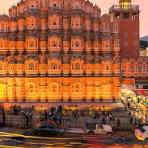
Hawa Mahal: The Palace of Winds, with its 953 jharokhas (small windows), allowed royal women to observe city life unseen. Its distinctive honeycomb facade in pink sandstone is a photographer’s delight and an emblem of Jaipur.
Jantar Mantar: A UNESCO World Heritage site, this observatory showcases Jai Singh II’s passion for astronomy. With the world’s largest stone sundial, it is a fascinating testament to India’s scientific prowess.
Jal Mahal and Nahargarh Fort: The Water Palace appears to float on Man Sagar Lake, while Nahargarh Fort offers panoramic views at sunset, perfect for photographers and romantics alike.
Culture, Crafts, and Cuisine
Jaipur’s heritage thrives in its bustling bazaars—Bapu and Johari Bazaar shimmer with gemstones, textiles, and handicrafts. The city is also renowned for block printing, blue pottery, and handcrafted jewelry. Food lovers can savor authentic Rajasthani cuisine—think spicy laal maas, dal baati churma, and delicate ghewar—at street stalls and royal dining rooms alike.
Festivals like Teej and Gangaur drape the city in vibrant processions, folk dances, and traditional music, offering visitors an immersive cultural experience.
Why Visit Jaipur?
Jaipur is where history breathes through every archway and where tradition and innovation coexist. Whether you’re marveling at ancient palaces, exploring lively markets, or watching the sunset from a storied fort, the Pink City promises a journey that’s as vivid as it is unforgettable. For travelers in 2025, Jaipur offers not just a glimpse into Rajasthan’s royal past, but also an enthralling slice of India’s evolving story.

Very useful for knowledge… About jaipur…
Very useful for jaipur information..